Blog

Why People Pay More for iPhone: 5 Lessons for Selling Value

Walk into any mall in Kuala Lumpur or Singapore on a launch weekend and you will see it: long queues for a phone that costs far more than alternatives with similar specs.

On paper, it does not add up. Many competing phones offer bigger batteries, more storage or faster charging for less money. Yet millions of people still choose the more expensive option, and many do so happily.

That is not a technology story. It is a sales and value story. And it holds lessons for every business that is tired of competing on price.

Price is what you pay, value is what you feel

Customers rarely buy the cheapest option. They buy the option that feels most worth it. When perceived value is higher than the price, the price stops being the main objection.

Most sales teams try to win by lowering the price. Strong brands win by raising the perceived value.

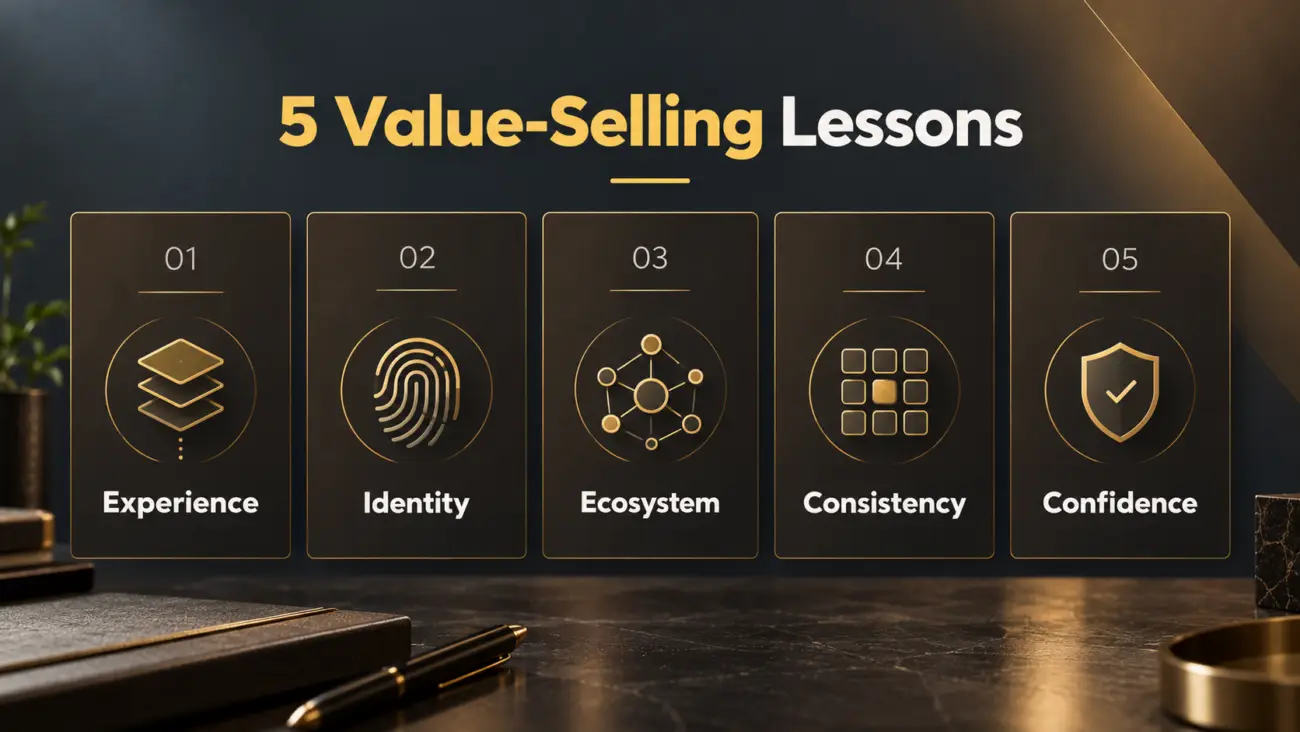
Lesson 1: Sell the experience, not the specifications

Premium brands rarely lead with technical numbers. They talk about capturing family moments, feeling secure and things that simply work.

For your team: Stop opening with features and product lists. Start with what life or business looks like after the client says yes.

Lesson 2: Identity is a powerful buying reason

For many buyers, the phone says something about who they are. People buy products that match the image they want to project.

For your team: Ask what success looks like for your client personally, not just for their company. A manager who wants to be seen as a strong leader buys differently from one who only wants lower costs.

Lesson 3: The ecosystem creates loyalty

Once your photos, apps and devices all connect, switching feels painful. The product becomes part of daily life.

For your team: Build relationships beyond a single sale. Follow-ups, check-ins and useful ideas turn one-time buyers into long-term clients who would not think of switching.

Lesson 4: Consistency builds trust

The store experience, the packaging and the after-sales service all feel the same, everywhere. Consistency tells customers that the brand is reliable.

For your team: Every touchpoint matters, from your first message to your proposal to how you handle a complaint. One sloppy email can undo a great meeting.

Lesson 5: Confidence in your price signals quality

Premium brands rarely discount heavily. That confidence tells buyers the product is worth the price.

For your team: Salespeople who apologise for their price, or discount at the first sign of hesitation, teach clients that the price was never real. Hold your value and explain it.

What this means for your sales team

If your team keeps losing deals on price, the real problem is usually not price. It is that the client cannot yet see enough value.

Ask yourself three questions:

  1. Do our salespeople understand what the client truly wants, beyond the product?
  2. Can they explain value in the client's language, not ours?
  3. Do they hold firm on price, or discount too early?

If any answer is "not really", the fix is a skill, and skills can be trained.

Key Takeaways

  • People pay more when perceived value is clearly higher than price.
  • Selling experience and identity beats selling specifications.
  • Long-term relationships make switching less attractive.
  • Confident pricing signals quality; early discounting destroys it.

Ready to help your team sell on value, not price?

Minji Asia helps sales teams across Malaysia and Singapore uncover what clients really want and communicate value with confidence.

Leave a Reply

Your email address will not be published. Required fields are marked *